
Screenkidz Logo Screenkidz Contact Us
Contact Us
9 min Beginner April 2026

Průhonice Park: A Living Museum of Botanical Art

Discover this UNESCO-listed park near Prague. We’ll cover its landscape design, diverse plant species from around the world, and how to plan your visit across its 250 acres.

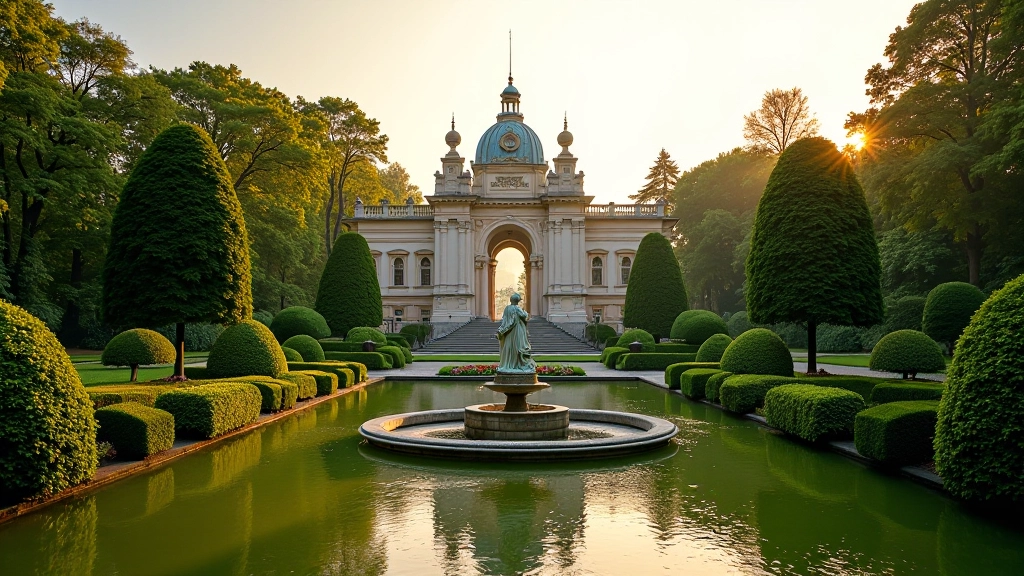
Scenic landscape view of Průhonice Park showing formal gardens with statues, pond, and historic castle building nestled among trees
Václav Novotný
Author
Senior Botanical Education Specialist

Botanical educator with 16 years of experience in Czech gardens and arboretums, specializing in seasonal plant cycles and horticultural education.

A Palace and Its Gardens

Průhonice Park isn’t just another botanical collection. It’s a living landscape that’s been carefully curated since the 1880s when nobleman Arnošt Emanuel Silva-Tarouca began transforming the estate. The 250 acres blend formal gardens with naturalistic woodland areas, creating something genuinely special.

What makes it different? The park combines architectural elements — think statues, pavilions, and stone pathways — with an incredible diversity of plant species. You’ve got temperate trees and shrubs from all over the world coexisting in one location. It’s not just beautiful to look at. It’s an outdoor classroom where horticulture, landscape design, and ecological principles all come together.

Did you know? Průhonice Park became a UNESCO World Heritage Site in 2019, recognizing its outstanding universal value as a masterpiece of landscape design and botanical art.
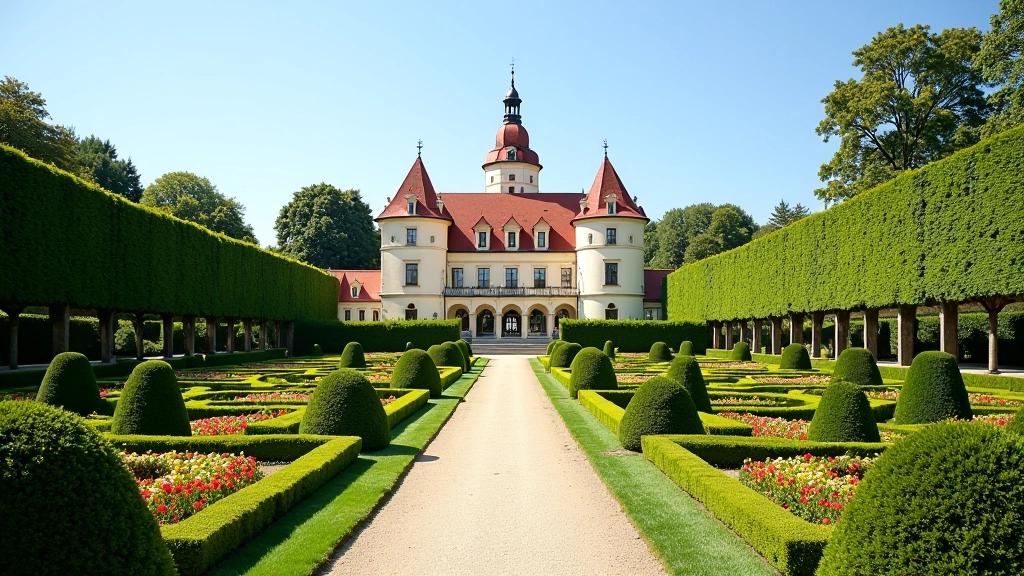
Historic Průhonice Castle surrounded by manicured garden paths with ornamental plantings and distant tree lines
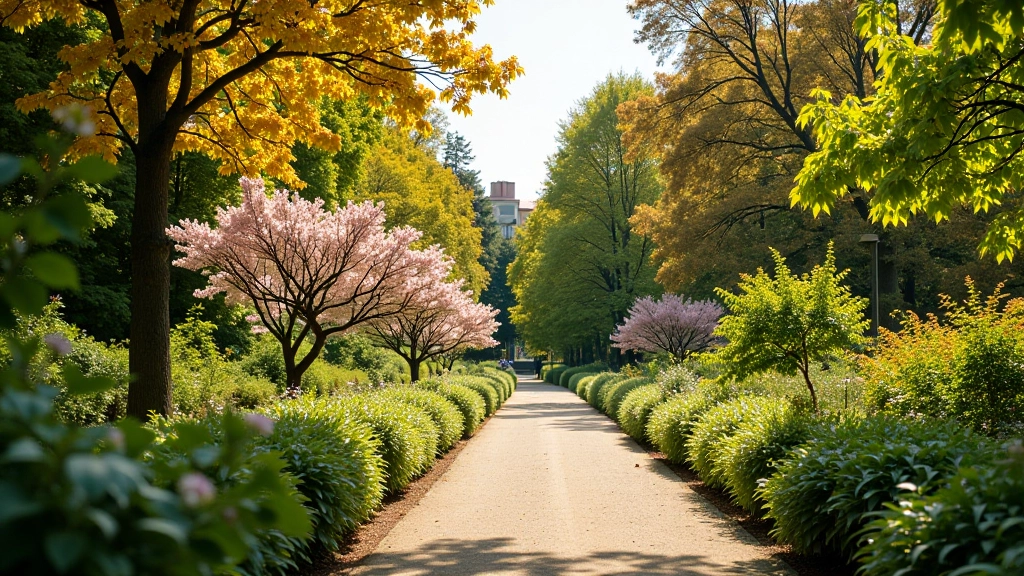
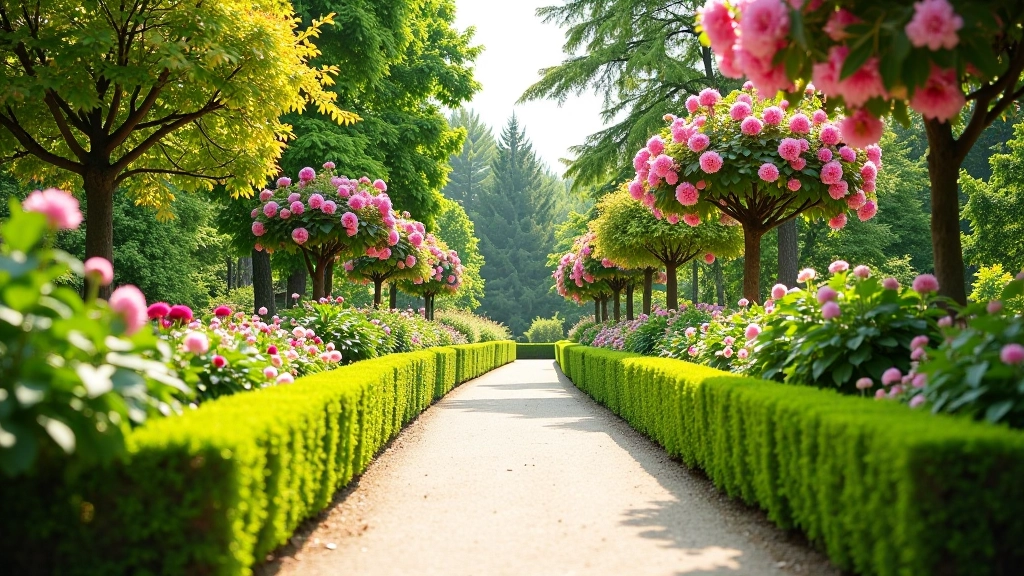
Garden pathways lined with flowering trees and shrubs showing seasonal bloom colors, winding through landscaped grounds

Understanding the Landscape Zones

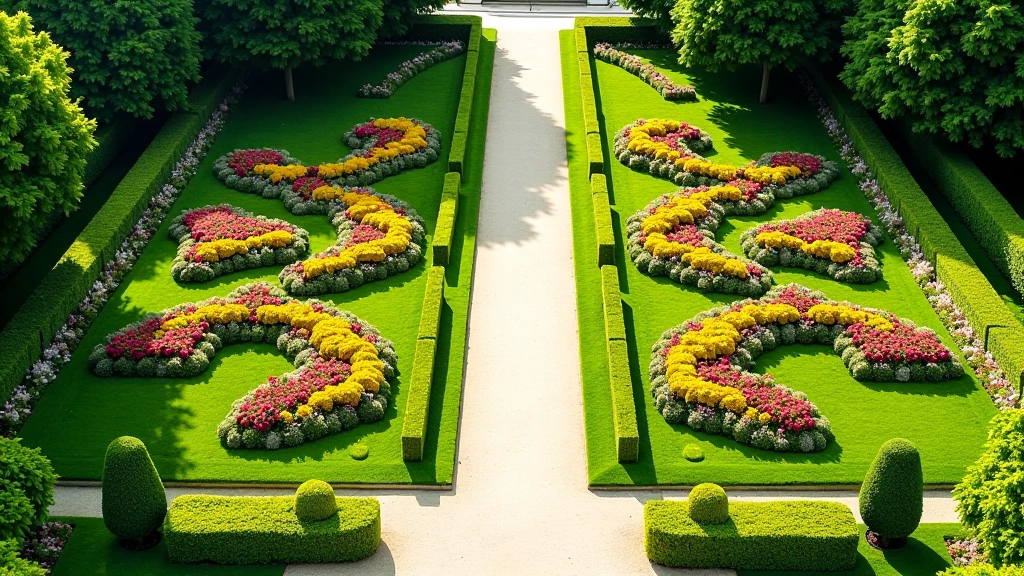
The park is organized into distinct zones, each with its own character. The formal gardens near the castle feature geometric layouts, ornamental water features, and carefully pruned hedges. Moving outward, you’ll find the landscape park — that’s where things get more naturalistic with winding paths through woodland areas planted with diverse tree species.

There’s a rose garden section that’s particularly spectacular in late spring and early summer. Then you’ve got the rock garden, meadow areas, and various themed plantings. What’s smart about this design is how it guides you through different visual experiences without feeling crowded or chaotic. Each area has its own rhythm.

  • Formal gardens with geometric design and ornamental water features
  • Landscape park with naturalistic woodland plantings
  • Rose garden with hundreds of cultivars
  • Rock garden and specialized horticultural sections

Planning Your Visit

This article provides educational information about Průhonice Park’s botanical collections and landscape design. For current visiting information, opening hours, admission fees, guided tour availability, and seasonal closures, please check the official park website or contact the management directly. Weather conditions and seasonal factors affect which areas are accessible, so we recommend confirming details before your visit.

The Plant Collections

Here’s where it gets really interesting. Průhonice Park houses over 2,500 different plant species and cultivars. That’s not hyperbole — it’s genuinely one of Europe’s most significant botanical collections outside of dedicated botanical gardens.

You’ll find North American conifers thriving alongside East Asian species, Mediterranean plants in protected microclimates, and European native species. The park’s location in the Bohemian Plateau gives it a temperate climate that works for a surprisingly broad range of plants. Trees like Japanese maples, North American oaks, and Central European spruces all coexist here.

The horticultural staff actively maintains these collections, managing them for both aesthetic appeal and scientific value. They’re not just letting plants grow wild. Every planting decision supports the overall landscape vision while respecting each plant’s ecological needs.

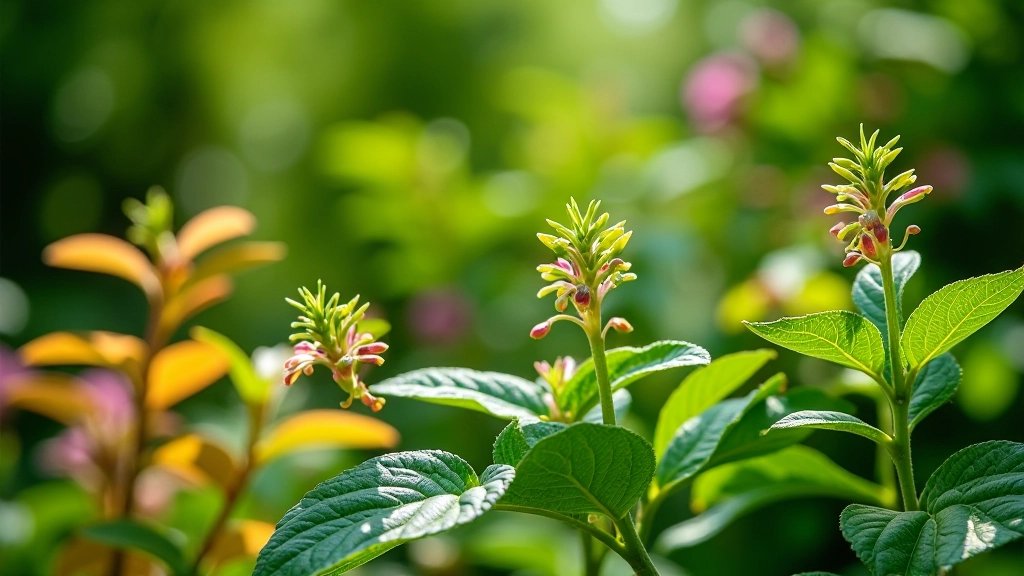
Close-up of diverse botanical specimens showing different leaf textures, colors and plant forms in garden setting
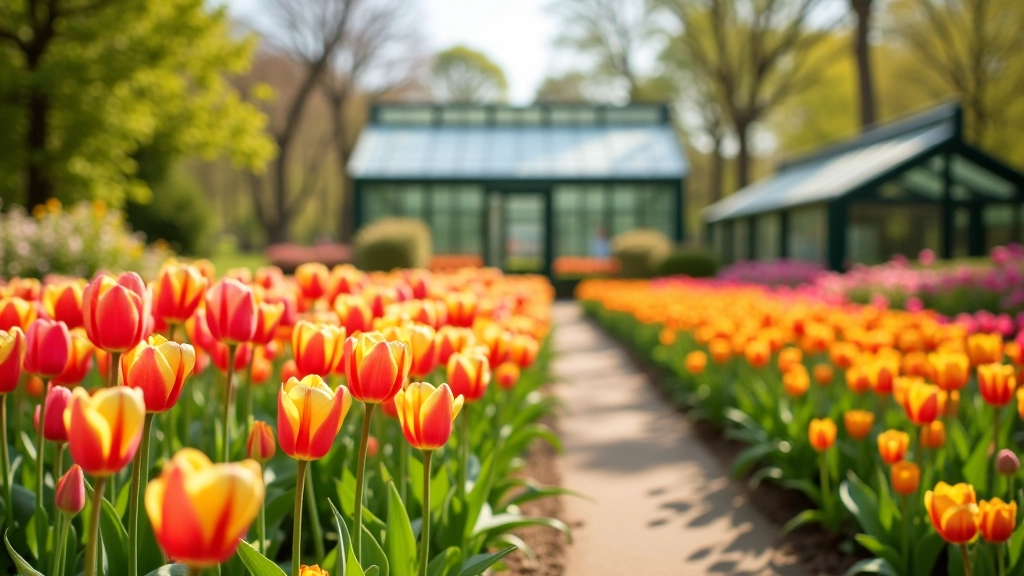
Park landscape showing seasonal color changes with flowering trees and autumn foliage creating natural palette

Seasonal Highlights and Best Times to Visit

Timing matters when you visit. Spring — roughly April through May — brings flowering trees and bulbs into bloom. The magnolias are stunning. Summer is full but offers lush green foliage and established flower displays. Autumn transforms the park with brilliant colors as the maples, oaks, and other deciduous trees change. Winter’s quieter, but the evergreens provide structure and the landscape reveals its underlying design.

Late April through May is probably the peak for visual interest if you’re into flowers. The rose garden peaks in June. Autumn (September through October) offers the most dramatic color display. Even winter has its appeal if you appreciate landscape architecture and evergreen textures.

2,500+
Plant species and cultivars
250
Acres of landscape
140+
Years of development

Planning Your Experience

Průhonice Park works best when you’re not rushing. It’s not the kind of place you tick off in an hour. Bring comfortable walking shoes — you’ll be covering some distance, especially if you explore all the different zones. The landscape is designed for wandering, for pausing to observe details, for understanding how plants relate to their surroundings.

Whether you’re interested in botanical collections, landscape design, photography, or just a peaceful walk through beautiful grounds, there’s something here for you. It’s genuinely one of Central Europe’s most significant garden landscapes, and the UNESCO recognition underscores that. If you’re visiting Prague or exploring Czech gardens, this deserves to be on your list.

Want to explore more Czech botanical gardens and plan your visits?

View Seasonal Bloom Calendars