Seasonal Bloom Calendars: When to Visit Czech Gardens
Plan your garden visits perfectly. We’ve compiled bloom schedules for spring bulbs, summer perennials, autumn foliage, and winter interest across major Czech botanical locations. Know exactly when each garden’s at its best.


Why Timing Matters for Garden Visits
There’s nothing worse than arriving at a botanical garden only to find the featured plants haven’t bloomed yet. It’s happened to all of us. You’ve planned the trip, cleared your schedule, and the timing just didn’t work out.
That’s why we’ve created this guide. We’ve spent years tracking bloom cycles across Czech gardens — from Prague’s oldest institutions to hidden baroque treasures. You’ll learn exactly when to visit for peak beauty. Whether you’re chasing spring tulips or autumn leaf changes, we’ve got the details.
The short version: different gardens peak at different times. Some shine in April. Others are spectacular in October. And a few stay interesting all year. This guide tells you which is which.

Spring Blooms: March Through May
Spring is when Czech gardens truly wake up. It starts early — often in late February — with crocuses and snowdrops pushing through cold ground. By mid-March, you’re seeing daffodils and early tulips. The real show? That’s April and early May.
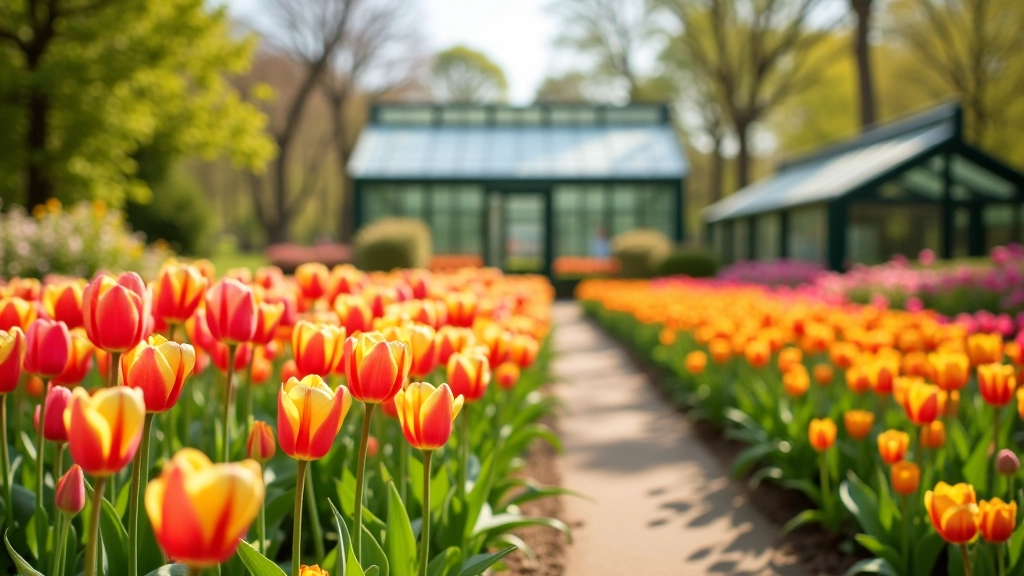
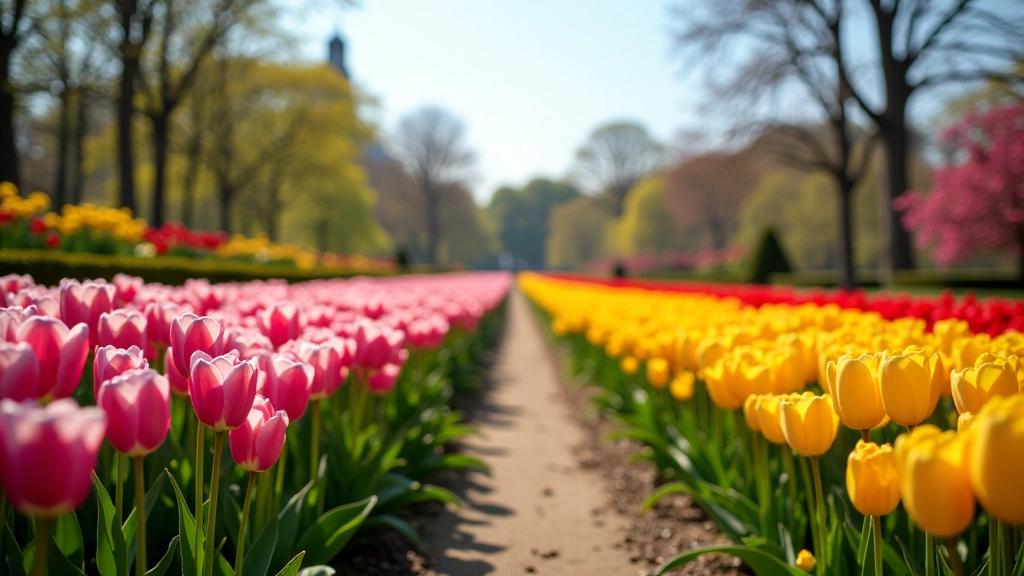
Prague Botanical Garden explodes with color from mid-April through May. Their tulip displays alone cover nearly 2 hectares. You’ll see thousands of varieties — reds, purples, oranges, striped combinations. Peak week is usually around April 20-27, though this shifts based on winter temperatures.
Průhonice Park’s woodland areas shine in April. Their magnolia collection opens around April 10. The cherry trees (sakura-type ornamental varieties) follow about a week later. This park’s landscape design means you get blooms at different elevations — lower areas first, hilltop areas a week or two behind. It’s not a rush. You can visit twice and see different things.
Tip: Visit midweek in April if you can. Weekends get crowded, and honestly, the flowers don’t care when you see them.
Summer’s Long Display: June Through August
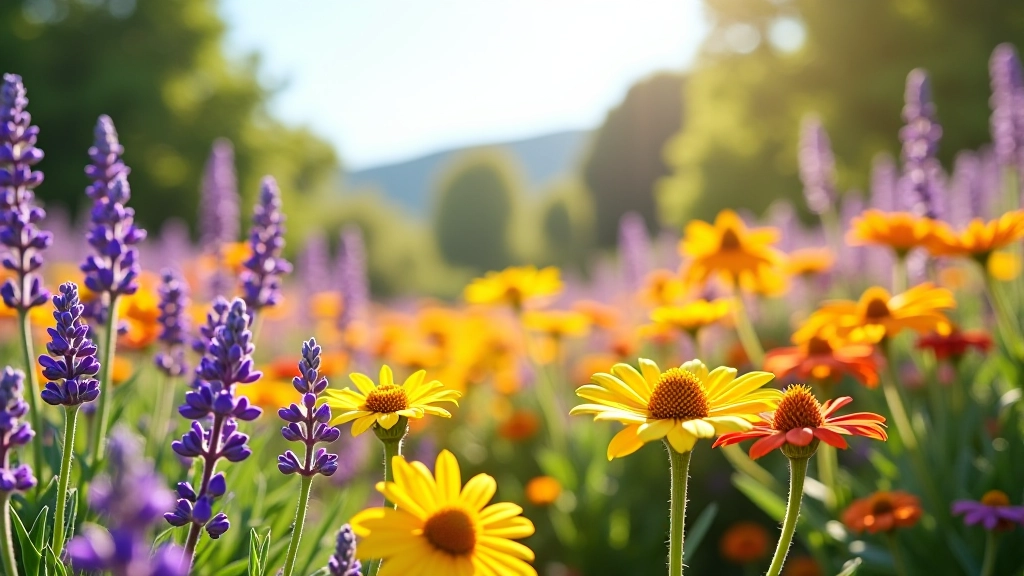
Summer is when gardens shift from bulb displays to perennial borders. Tulips and daffodils fade. In their place? Roses, peonies, lavender, daylilies, and countless others. The variety’s actually wider in summer — you’re seeing established plants hit their stride.
All three major gardens we cover stay visually interesting through July. It’s just different. Less about one concentrated color explosion, more about texture and subtle combinations. Prague Botanical’s rose garden peaks mid-June through July. They’ve got over 2,500 rose plants. You won’t see them all at once, but the succession keeps things fresh.
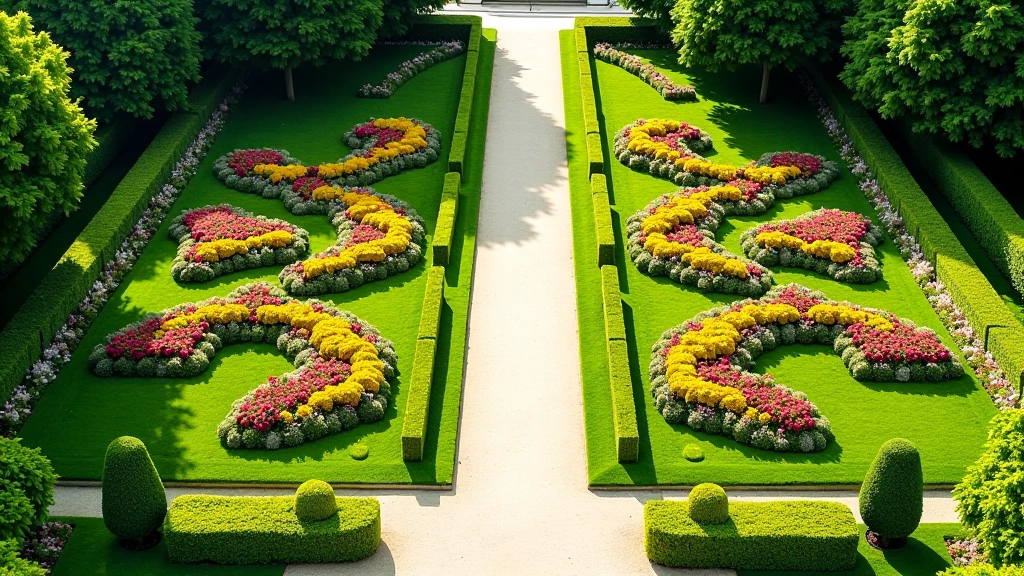
Kroměříž Flower Garden — the baroque gardens — absolutely shines in June and July. The formal parterres (those geometric hedge-and-flower patterns) look incredible when plants are full-sized and blooming. July’s actually the best month here. August gets hot and some displays fade.
Real talk: June’s better than August if you have to choose. Flowers hold better color, plants look fresher, and you avoid the intense summer heat that sometimes stresses plants in formal gardens.
Autumn Transitions: September Through November
Autumn’s underrated. Most people think about spring gardens, but September and October are genuinely spectacular. You get late bloomers like asters, sedum, ornamental grasses in seed, and the early color changes on trees.
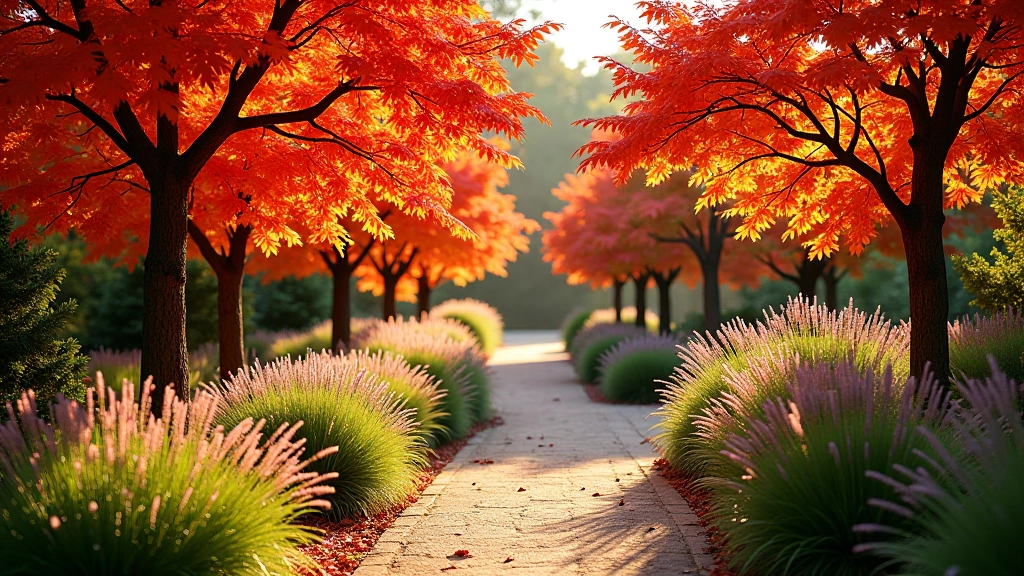
Průhonice Park becomes a different place in October. The park’s landscape design includes significant tree populations — maples, beeches, oaks. Combined with late-blooming perennials, you get layered color. The paths that seemed green in July are now gold, orange, and red. This isn’t just flowers — it’s whole-landscape color. Peak weeks are usually October 1-20.
Prague Botanical Garden’s autumn show starts in September with salvias, dahlias, and ornamental peppers. By October, it’s the foliage that dominates. Their collection of Asian maple varieties (Japanese and Korean specimens) creates genuine color variation you won’t see in spring. Some gardens skip autumn entirely. Not here.
Kroměříž transitions beautifully. The formal gardens actually look more refined with autumn color — the structured hedges now frame golden and red backgrounds. It’s more subtle than spring’s obvious tulip display, but if you like understated elegance, this is your season.
Winter Structure: December Through February
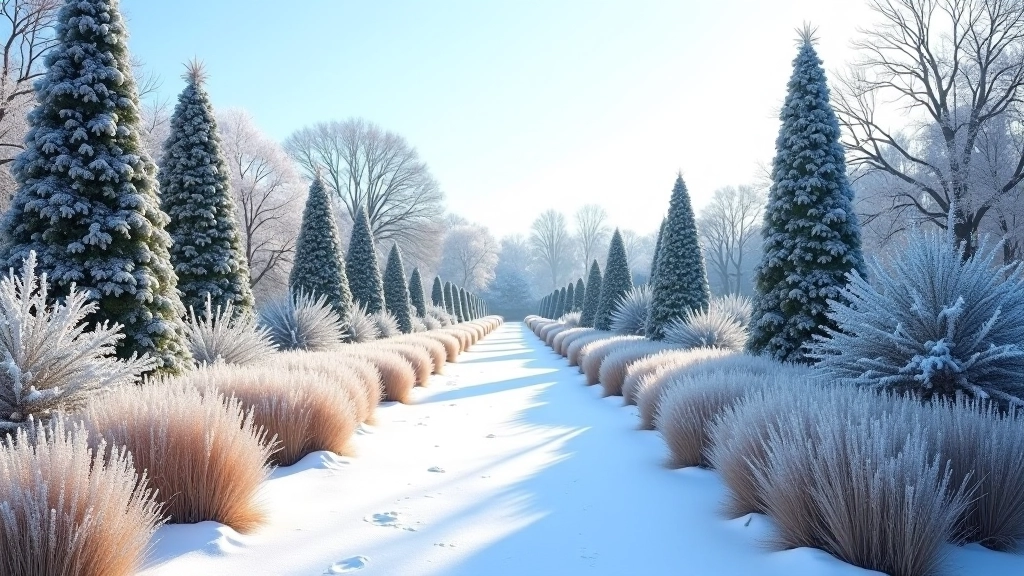
Winter’s honest. There aren’t many flowers blooming in Prague in January. But here’s what’s interesting: you can actually see the garden’s architecture. No foliage hiding the bones of the design. Evergreens show their real shapes. Ornamental grasses become sculptural. And yes, there are some blooms — early snowdrops, winter heathers, the occasional hellebore.
If you’re visiting Czech gardens in winter, Průhonice Park’s the best choice. The park’s design philosophy emphasizes structure and landscape form — exactly what shows in winter. The lake freezes sometimes (though not reliably). The evergreen collections look their best without summer foliage competition. It’s quieter. You’ll have paths to yourself.
Prague Botanical actually has a winter interest section now. They’ve specifically planted evergreens, colored-bark trees (red dogwood varieties), and structural plants for December-February appeal. It’s not colorful like spring. It’s architectural. Different experience entirely.
Don’t visit winter expecting a flower show. Visit winter for peace and structure. The gardens are still beautiful — just in a completely different way.
Practical Planning Tips
Check Weather Before You Go
Cold springs delay blooms. Warm springs accelerate them. A cold snap in April? It doesn’t stop tulips from blooming, but it does slow them slightly. Check 10-day forecasts before planning trips in April-May.
Follow Gardens on Social Media
All three major gardens post updates. Prague Botanical and Průhonice Park especially. They’ll show current bloom status in real-time. That’s more reliable than any calendar we can create.
Go Midweek in Peak Season
April and May weekends get genuinely crowded. You’ll wait for parking. Paths get busy. Midweek? You’ll have space to actually enjoy the plants instead of just viewing them.
Visit Multiple Gardens in Sequence
Průhonice Park is 30 minutes from Prague center. Kroměříž is 90 minutes from Prague. You could do Prague Botanical one day, Průhonice the next. They’ll be at slightly different bloom stages — extends your viewing window.
Bring a Camera (Seriously)
You’ll want to capture the blooms. Early morning light (6-8 AM) is genuinely better than midday. Gardens are also less crowded then. Two birds, one stone.
Plan Return Visits
No single visit captures everything. Spring’s different from autumn. Summer’s different from spring. If you love gardens, you’ll want to return. Each season reveals something new.
A Note on Bloom Timing
The bloom schedules in this guide are based on 15+ years of observation across Czech botanical gardens. They’re accurate for typical years. That said, weather varies. Unusually cold springs delay blooms by 1-2 weeks. Warm springs advance them. Early snowfall can impact autumn color. We’ve given you the most reliable windows, but Mother Nature makes the final call. Always check current conditions with the gardens before traveling.
Your Garden Visit Timeline
Here’s the reality: every season offers something. Spring gives you the obvious beauty — thousands of bulbs at once. Summer gives you variety and subtle combinations. Autumn gives you color and landscape drama. Winter gives you structure and peace. There’s no single “best time” to visit Czech gardens. It depends on what you’re after.
We’ve given you the schedules. Now you get to choose. Want peak color? Go April-May or October. Want quiet and contemplation? December-February works. Want something in between? June-July offers consistent blooms without the spring crowds. The gardens aren’t going anywhere. You can visit once, or you can visit four times — one per season. That’s actually what we recommend if you’re serious about understanding these places.
Start with the season that appeals to you most. Then, if the gardens grab you (and they probably will), come back in a different season. You’ll see why these places matter to Czech culture. You’ll understand why we’ve spent years documenting their bloom cycles. And you’ll have genuinely great garden visits — not just lucky guesses about when to show up.