

The Garden’s Baroque Heritage
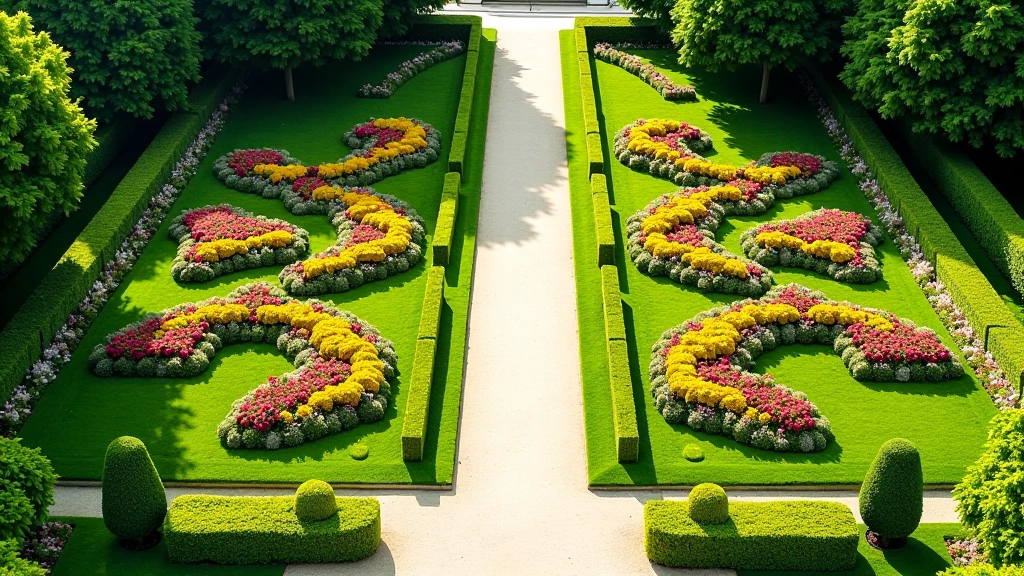
Kroměříž Flower Garden isn’t just another garden — it’s a living museum of 17th-century horticultural design. Built between 1666 and 1676 under Archbishop Karl II von Liechtenstein-Kastelkorn, this baroque masterpiece sits in Moravia’s heart and represents one of Europe’s finest examples of formal garden architecture.
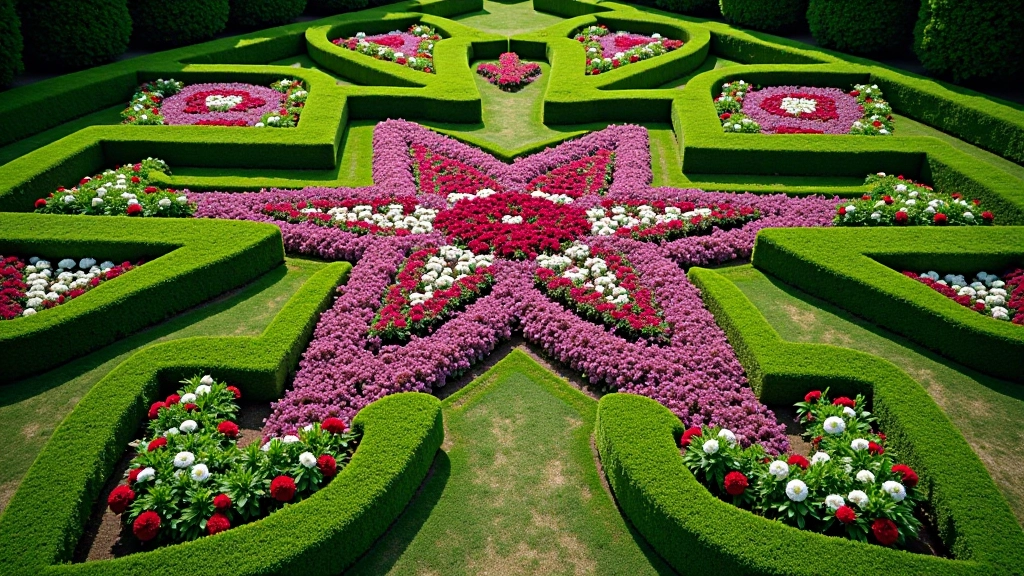
What makes it genuinely special is the obsessive attention to geometric precision. The flower beds don’t sprawl organically — they’re arranged in strict mathematical patterns, radiating from a central axis. You’ll notice flower beds shaped like intricate stars, diamonds, and scrollwork. It’s not random beauty; it’s planned perfection. The garden covers 1.4 hectares of meticulously organized space.
The design philosophy reflects baroque ideals perfectly. Everything speaks to order, harmony, and humanity’s dominion over nature. Hedges frame every bed. Pathways divide the space into distinct zones. Even the plant selections follow color harmonies — purples transition to blues, yellows to oranges, creating visual flow throughout the seasons.
Plant Varieties and Seasonal Cycles
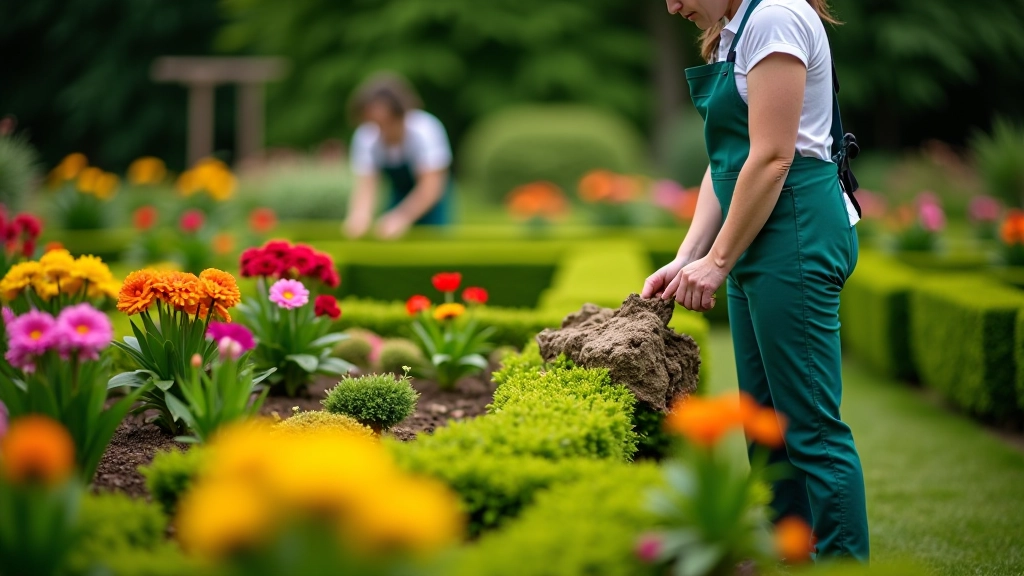
The garden rotates through three distinct planting schemes annually. Spring brings tulips, primulas, and pansies — over 12,000 bulbs get planted each autumn. These create waves of color from March through May. Summer sees tender annuals take center stage: petunias, impatiens, begonias, and salvias replace the spring display entirely. Fall transitions to ornamental cabbages and mums, extending the garden’s visual interest into November.
What’s fascinating is how the design accommodates this constant change. The geometric beds aren’t locked into one palette. Instead, they’re like canvas spaces waiting for seasonal interpretation. A diamond-shaped bed might hold purple pansies in spring, then shift to magenta petunias in summer, then transition to burgundy ornamental kale in autumn. The structure remains constant; the colors evolve.
Gardeners here maintain meticulous records of plant performance. They track bloom times, color combinations, and durability across seasons. This institutional knowledge, accumulated over centuries, means visitors always encounter a garden at its peak. There’s no “off season” — just different expressions of the same baroque vision.
Quick Facts About Kroměříž
- Founded: 1666-1676 under Archbishop Karl II
- Size: 1.4 hectares of baroque formal gardens
- Annual plantings: Over 12,000 spring bulbs + seasonal annuals
- Planting rotations: Three complete redesigns yearly
- UNESCO Status: Part of Kroměříž Gardens World Heritage site
The Architectural Framework
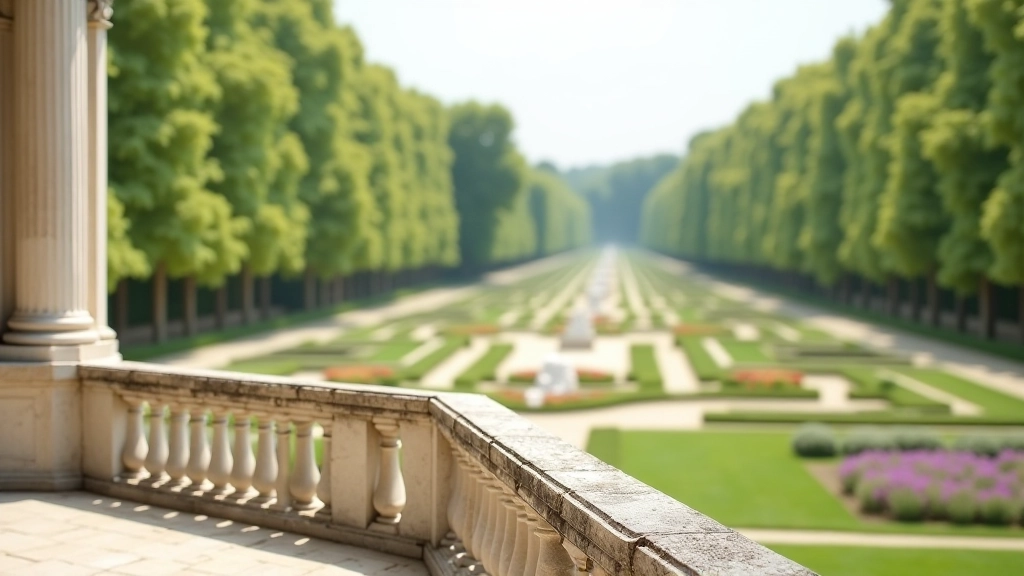
What separates Kroměříž from merely “pretty gardens” is its architectural ambition. The flower garden exists within a larger complex that includes a ponds garden and the archbishop’s palace itself. The flower garden sits on elevated ground, creating natural viewing perspectives. Stone balustrades frame the perimeter. Pavilions and gazebos punctuate the space, providing shelter and vantage points.
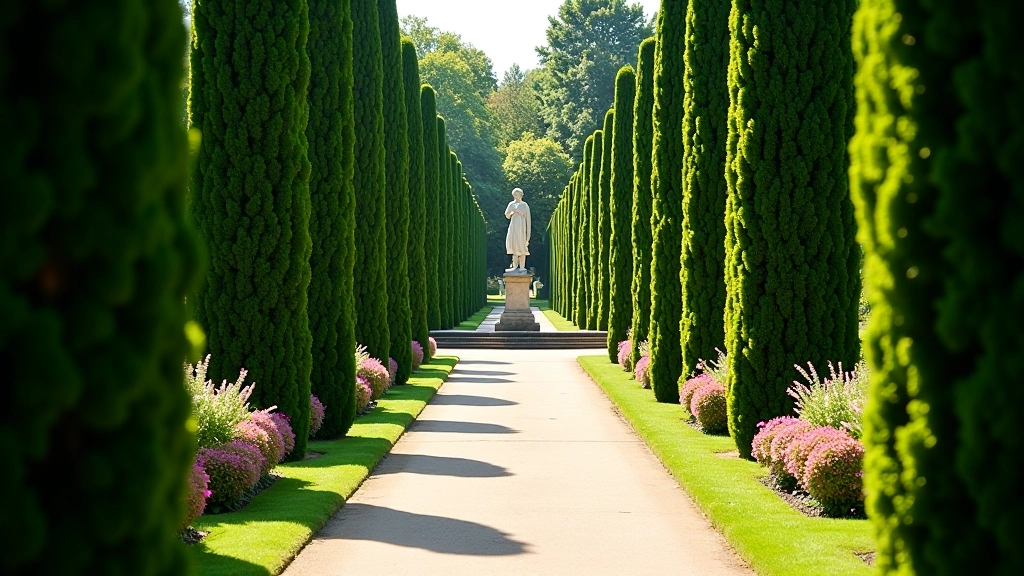
Pathways don’t wander randomly. They follow a hierarchical system. The main axial path runs north-south, flanked by the garden’s most important beds. Secondary paths create a grid pattern, dividing the space into manageable sections. Each intersection often features a statue, fountain, or ornamental urn. This isn’t accidental ornamentation — it’s visual punctuation marking the landscape’s organization.
The hedging system deserves special mention. Yew and boxwood hedges create what’s called “garden rooms” — enclosed spaces within the larger garden. You’ll turn a corner and discover a completely different view. This creates exploration and surprise, making the garden feel larger than its actual 1.4 hectares. It’s clever design that rewards walking.
Visiting and Experiencing the Garden
If you’re planning a visit, spring offers the most dramatic color show — April through May brings those 12,000+ bulbs into bloom simultaneously. It’s overwhelming in the best way. Summer provides lush density and tropical colors. Autumn delivers sophisticated pastels and interesting textures as ornamental cabbages and grasses take prominence.
The garden’s design actually guides visitor movement naturally. Start at the upper balustrade for an overview, then descend into the beds themselves. The pathways create a logical flow that doesn’t feel forced. Most visitors spend 90 minutes to 2 hours experiencing everything. It’s not massive, so you won’t need a full day, but the detail rewards close observation.
Photography enthusiasts should visit early morning or late afternoon. The low-angle light reveals texture in the flower beds and casts interesting shadows through the hedges. Overhead shots from the balustrade work brilliantly any time, but morning light gives cleaner color saturation before afternoon heat creates haze.
“The garden represents not nature as it is, but nature as the baroque mind imagined it should be — ordered, proportioned, and brought into perfect harmony with human design.”
— Horticultural perspective on baroque garden philosophy
Understanding Baroque Horticultural Ideals
Kroměříž Flower Garden survives as a baroque artifact because it’s been continuously maintained with that original vision intact. The garden doesn’t try to be contemporary or trendy. It doesn’t add modernist elements or “update” its design. Instead, it commits completely to baroque principles — geometric precision, color harmony, architectural framing, and the expression of human control over natural elements.
This commitment explains why the garden feels so distinctly different from English landscape gardens or contemporary mixed plantings. It’s unabashedly formal, unapologetically geometric, and thoroughly committed to artifice. Yet paradoxically, that honesty about its constructed nature makes it genuinely beautiful. There’s no pretense. The garden announces: “This is human design applied to nature,” and that transparency creates its own aesthetic power.
For anyone interested in garden design history, plant cultivation, or simply experiencing landscape architecture at its finest, Kroměříž represents something increasingly rare — a complete, functioning, authentic expression of a historic design philosophy. It’s not a museum recreation; it’s a living garden that’s been flowering according to the same principles for nearly 350 years. That continuity, more than anything else, makes it genuinely remarkable.
Educational Information Disclaimer
This article provides educational information about Kroměříž Flower Garden and baroque horticultural design. Information is current as of April 2026 and based on publicly available resources about the garden’s history and maintenance practices. For specific visit details, hours, admission information, or current accessibility accommodations, we recommend contacting the garden directly or visiting official sources. Garden conditions, plant displays, and facilities may change seasonally and annually.