


Screenkidz Logo Screenkidz Contact Us
Contact Us

Prague Botanical Garden: History and Plant Collections

Explore one of Central Europe’s oldest botanical institutions. Founded in 1775, this garden showcases rare plant collections, innovative greenhouse systems, and educational programs that’ve shaped botanical science for generations.

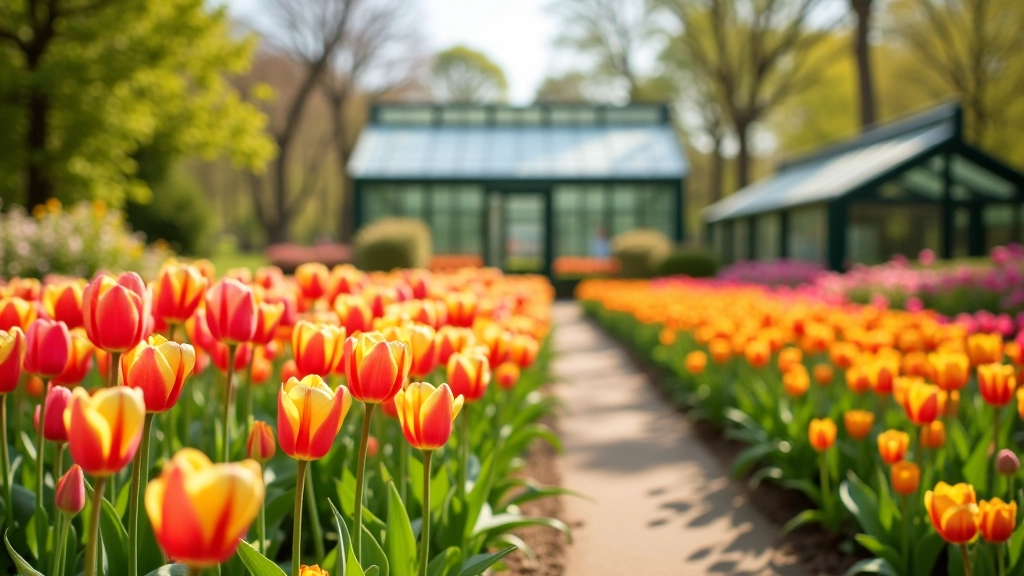
Vibrant spring flowers in full bloom throughout the Prague Botanical Garden with greenhouse structures and manicured pathways visible
Václav Novotný

Author

Václav Novotný

Senior Botanical Education Specialist

A Living Archive of Plant Diversity

The Prague Botanical Garden isn’t just a pretty place to walk around. It’s a working research institution that’s been collecting, studying, and preserving plants since the late 1700s. You’ll find species here that you won’t see anywhere else in the region — some incredibly rare, some nearly extinct in the wild.

What makes it special isn’t just the plants themselves. It’s how they’re organized, displayed, and maintained. The garden’s got about 6,000 different plant species across its 20 hectares. That’s a lot of botanical diversity in one place. The greenhouse complex alone covers over 3,000 square meters, housing everything from tropical orchids to carnivorous plants.

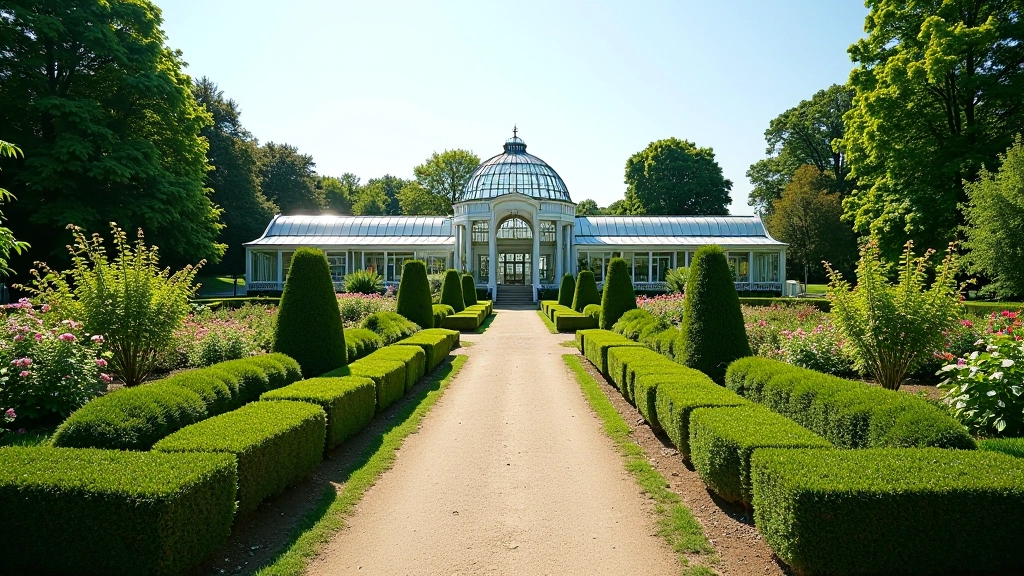
Panoramic view of the Prague Botanical Garden showing manicured plant beds, winding pathways, and multiple greenhouse structures on rolling terrain
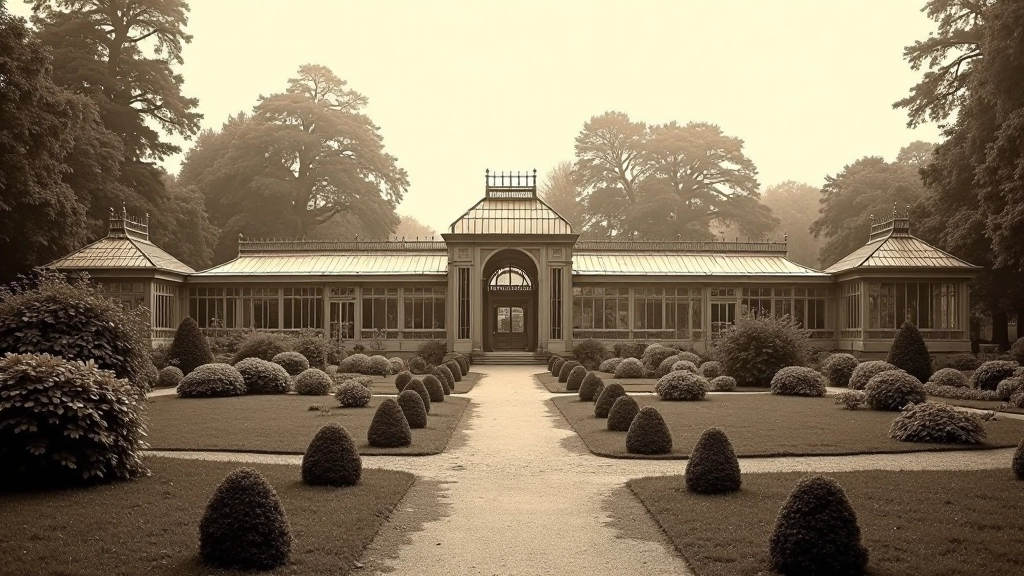
Historic archive photograph showing the original Prague Botanical Garden layout from the 19th century with Victorian-era greenhouse structures and formal garden design

From Private Collection to Public Institution

The garden started small. In 1775, it began as a private botanical collection. But it grew — quickly. By the early 1800s, it’d become essential for botanical research and education in Prague. The idea was simple: gather plants from all over the world, study them, document what you learn, and share that knowledge with students and the public.

The Victorian era brought major changes. New greenhouses went up. The collection expanded dramatically. By 1900, the garden had become a leading botanical research center in Central Europe. They weren’t just growing plants — they were publishing research, training botanists, and experimenting with cultivation techniques.

The 20th century brought challenges. Two world wars, changing political systems, periods where resources were scarce. But the garden persisted. Today it’s got modern facilities alongside those historic structures. You can walk through the same gardens that botanists worked in 150 years ago.

The Plant Collections: What You’ll Actually See

Walking through the garden, you’ll notice it’s organized by plant families and geographic regions. That’s intentional. It helps visitors understand plant relationships and see how different species adapt to similar climates.

The Tropical Greenhouse

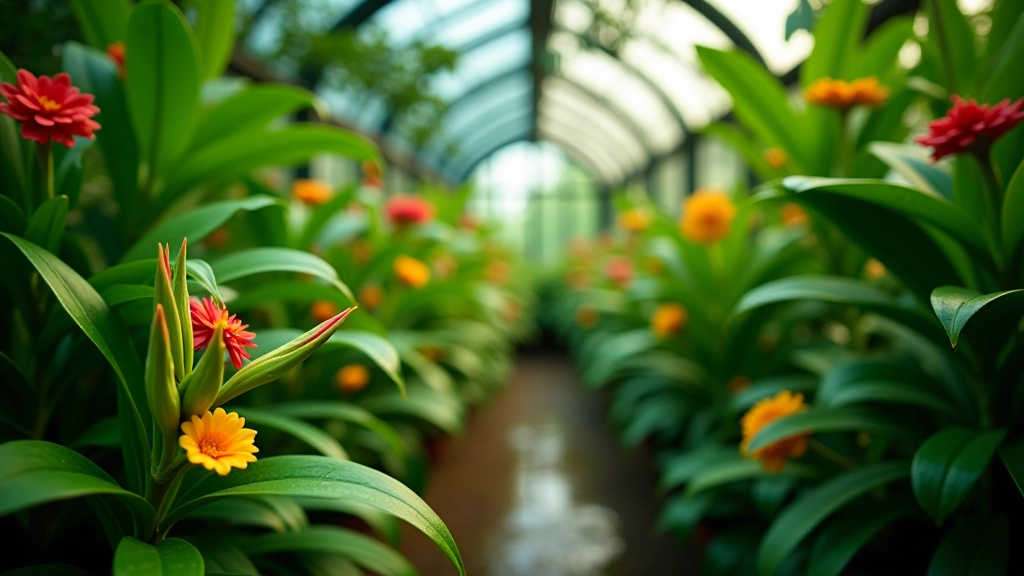
This is where it gets warm and humid. You’ll find orchids, bromeliads, ferns, and plants you’ve probably never heard of. The temperature’s kept around 20-25C year-round. They’ve got about 2,000 tropical species in here. Some flower for just a few weeks each year, so timing matters if you want to see specific blooms.

Mediterranean and Desert Collections

Succulents, cacti, and drought-resistant plants that thrive with minimal water. The collection includes species from South Africa, the Middle East, and the Americas. These plants are fascinating — they’ve adapted to extreme conditions in ways that’re genuinely clever.

Close-up photograph of exotic tropical plants with vibrant green foliage and flowering specimens inside a humid greenhouse environment
Educational garden setting showing guided group tour with visitors observing and learning about plant specimens from an experienced educator

Education and Research Today

The garden isn’t just for tourists. It’s an active research facility. Scientists here work on plant conservation, breeding programs, and ecological studies. They’re particularly focused on preserving endangered Central European species.

They offer programs year-round. School groups come regularly — there’s structured curriculum stuff for different age groups. But there’s also adult education. Workshops on plant propagation, sustainable gardening, botanical illustration. You don’t need to be an expert to attend. Most people just want to learn more about plants.

The garden’s also got a seed bank and herbarium. That’s a collection of dried plant specimens preserved for study. Some specimens are over 200 years old. They’re catalogued, organized, and available to researchers worldwide. It’s not something most visitors see, but it’s happening behind the scenes.

Information Disclaimer

This article provides educational information about the Prague Botanical Garden, its history, collections, and visitor information. While we’ve made efforts to ensure accuracy, details about opening hours, admission prices, specific plant collections, and programs may change. We recommend visiting the official Prague Botanical Garden website or contacting them directly for current information about hours, special exhibitions, and educational programs. This content is informational and not intended as official travel guidance.

Why It’s Worth Your Time

The Prague Botanical Garden isn’t just a collection of plants. It’s a place where science, history, and horticulture intersect. You’re walking through 250 years of botanical knowledge and passion. The gardens show you what’s possible when people dedicate themselves to understanding and preserving plant diversity.

Whether you’re seriously into plants or just looking for a pleasant afternoon, there’s something here for you. You’ll see species you’ve never encountered. You’ll understand how plants from different parts of the world have adapted to their environments. And you’ll get a sense of why botanists find this work genuinely important.

If you’re in Prague and you’ve got a few hours, go. Bring comfortable shoes, maybe a camera, and patience to actually look at things. You’ll leave knowing more about plants than when you arrived.